Protect Your Knees. Preserve Your Movement.

What Is Knee Joint Preservation?

Understanding the treatment in 4 simple points.

The Problem

Early arthritis, cartilage damage or joint injuries can cause knee pain, stiffness and difficulty moving.

The Solution

Treatment focuses on protecting the natural knee through physiotherapy, medication or selected joint-preserving procedures.

The Benefit

The goal is to reduce pain, improve movement and maintain natural knee function.

When Is It Needed?

When knee pain or early joint damage can be managed without immediately requiring replacement surgery.

Signs You May Need Sports Injury Treatment

Discomfort during walking or everyday activities.

Difficulty bending or straightening the knee.

Repeated swelling after physical activity.

Difficulty climbing stairs or walking comfortably.

Pain and stiffness caused by early joint degeneration.

Ongoing discomfort after ligament or cartilage injuries.

Knee Joint Preservation Treatment Options
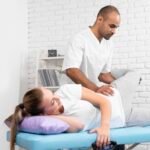
Physiotherapy & Strengthening

Targeted exercises help strengthen the muscles supporting the knee and improve joint stability.

Medication & Pain Management

Appropriate medicines may help reduce pain and inflammation depending on the patient's condition.

Lifestyle Modifications

Weight management when appropriate, low-impact exercises and changes to daily activities can help reduce pressure on the knee.
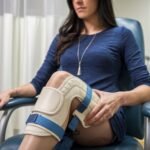
Knee Bracing & Support

Selected patients may benefit from supportive braces that improve stability or reduce pressure on affected parts of the joint.

How Is Knee Joint Preservation Performed?

01. Knee Examination

The doctor checks your knee movement and may recommend X-rays or an MRI to understand the joint condition.

02. Treatment Planning

The doctor checks your knee movement and may recommend X-rays or an MRI to understand the joint condition.

03. Joint Protection & Treatment

Treatment may include physiotherapy, medicines, supportive devices or suitable joint-preserving procedures.

04. Rehabilitation & Follow-Up

Exercises and regular monitoring help maintain joint strength, movement and function.

Recovery after Knee Replacement

Recovery takes place gradually and varies from patient to patient.

Initial Care:

Managing pain and reducing unnecessary stress on the knee.

Early Rehabilitation:

Gentle exercises to improve joint movement and flexibility.

Progressive Recovery:

Strengthening muscles and improving knee
stability.

Long-Term Joint Care:

Maintaining mobility through regular exercise and healthy habits.

Non-surgical treatments may allow patients to continue suitable everyday activities while surgical procedures can require several weeks or months of rehabilitation.

Why Consult Dr. Utsav Agrawal?

Preserving the natural knee requires early diagnosis and an appropriate treatment approach.Dr. Utsav Agrawal focuses on understanding the cause of joint pain, evaluating cartilage and bone health and recommending suitable treatment options.The goal is to help patients maintain knee function, manage discomfort and make informed decisions about their joint health.