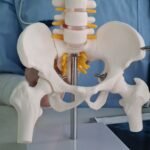
Move Freely. Live Comfortably.

What Is Hip Replacement Surgery?

Understanding the treatment in 4 simple points.

The Problem

Arthritis or joint damage can cause hip pain, stiffness and difficulty walking.

The Solution

Damaged parts of the hip joint are replaced with artificial components designed for smoother movement.

The Benefit

The treatment aims to reduce pain, improve mobility and make everyday activities easier.

When Is It Needed?

When hip pain becomes severe and medicines, exercises or other treatments no longer provide enough relief.

Signs you may need Hip Replacement

Pain while walking, sitting or resting.

Discomfort while moving or climbing stairs.

Trouble bending or rotating your hip.

Hip discomfort that affects your sleep.

Difficulty wearing shoes or getting out of a chair.

Medicines and physiotherapy are no longer helping enough.

Types of Hip Replacement

Total Hip Replacement

Both the damaged ball and socket surfaces of the hip joint are replaced with artificial
components.
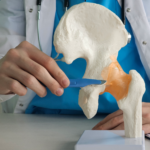
Partial Hip Replacement

Only the ball portion of the hip joint is replaced. This is commonly considered for certain hip fractures rather than routine arthritis treatment.

How is Hip Replacement Performed?

01. Hip Examination

The doctor checks your hip movement and reviews X-rays to understand the joint damage.

02. Replacing Damaged Parts

During surgery, the damaged joint surfaces are replaced with artificial components.

03. Walking Again

After surgery, you are helped to start standing and walking safely when medically ready.

04. Recovery & Physiotherapy

Exercises and physiotherapy help improve hip strength, movement and balance.

Recovery after Knee Replacement

Recovery takes place gradually and varies from patient to patient.

Initial Recovery:

Pain management, wound care and assisted .
walking

Early Rehabilitation:

Gentle exercises to improve hip movement and muscle strength.

Progressive Recovery:

Gradual return to walking and daily .
activities.

Long-Term Recovery:

Continued strengthening and mobility exercises to support an active lifestyle.

Why Consult Dr. Utsav Agrawal?

Hip replacement requires careful examination and personalised treatment planning.Dr. Utsav Agrawal focuses on understanding each patient's joint condition, pain levels and movement difficulties before recommending suitable treatment options.