Small Incisions. Better Knee Movement.

What Is Knee Arthroscopy?

Understanding the treatment in 4 simple points.

The Problem

Knee injuries, torn cartilage or damaged ligaments can cause pain, swelling and difficulty moving.

The Solution

A tiny camera and specialised instruments are used through small incisions to examine and treat problems inside the knee.

The Benefit

Smaller incisions generally mean less disruption to surrounding tissues compared with open surgery.

When Is It Needed?

When certain knee injuries or mechanical problems require surgical treatment after proper examination.

Signs You May Need Knee Arthroscopy

Pain that continues after an injury or despite treatment.

Repeated swelling around the joint.

Difficulty using an injured muscle normally.

A feeling that your knee might give way.

Difficulty moving the knee comfortably.

Discomfort while walking, running or climbing stairs.

Conditions Treated with Knee Arthroscopy
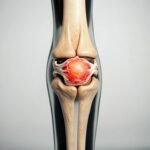
Meniscus Tears

Certain torn or damaged meniscus injuries can be repaired or treated using arthroscopic
techniques.
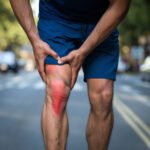
Meniscus Tears

Certain torn or damaged meniscus injuries can be repaired or treated using arthroscopic
techniques.
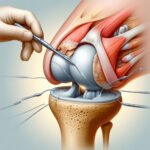
Cartilage Damage

Selected areas of damaged cartilage can be examined and treated through
arthroscopy.
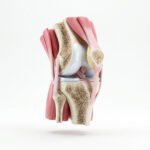
Loose Bone or Cartilage Fragments

Small fragments inside the knee joint may sometimes cause pain, catching or restricted movement and require removal.

How Is Hip Replacement Performed?

01. Knee Examination

The doctor checks your knee and may recommend an MRI or X-ray to understand the problem.

02. Small Incisions

Small openings are made around the knee to insert a tiny camera and surgical instruments.

03. Treating the Problem

The doctor views the inside of the knee and treats the damaged structures when necessary.

04. Recovery & Physiotherapy

After surgery, exercises and physiotherapy help restore knee movement, strength and stability.

Recovery after Knee Replacement

Recovery takes place gradually and varies from patient to patient.

Initial Recovery:

Managing swelling, discomfort and caring for the small incisions.

Early Rehabilitation:

Gentle exercises to improve knee movement when appropriate.

Progressive Recovery:

Gradually improving strength and returning to everyday activities.

Long-Term Recovery:

Restoring stability and preparing for physical activities or sports.

Some minor procedures allow relatively quick recovery while ligament reconstruction or meniscus repair may require several months of rehabilitation.

Why Consult Dr. Utsav Agrawal?

Every knee injury requires a different treatment approach.Dr. Utsav Agrawal focuses on understanding the cause of knee pain, evaluating joint damage and recommending appropriate treatment options.
The aim is to help patients regain comfortable movement and improve their knee function through personalised care.