Stronger Knees. A Safer Recovery.
What is a Knee Fracture?
Signs You May Need Sports Injury Treatment
Types of Hip Replacement
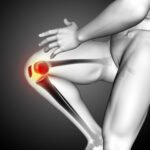
Patella Fracture
A break in the kneecap that commonly occurs after a direct fall or impact.
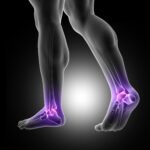
Tibial Plateau Fracture
A fracture in the upper part of the shinbone that forms the lower surface of the knee joint.
Distal Femur Fracture
A break in the lower portion of the thighbone near the knee joint.
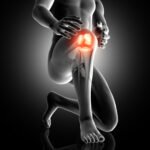
Complex Knee Fracture
A serious injury involving multiple bone fragments or damage to the joint surface and surrounding tissues.
How are Knee Fractures Treated?
Recovery after Knee Replacement

Initial Recovery:
Protecting the injured knee and managing pain or swelling.

Early Rehabilitation:
Allowing the fractured bone to heal with appropriate support and follow-up.

Progressive Recovery:
Gradually restoring knee movement when medically safe.

Long-Term Recovery:
Strengthening muscles and improving walking ability.
Why Consult Dr. Utsav Agrawal?
Knee fractures require careful diagnosis and appropriate treatment to support proper bone healing.Dr. Utsav Agrawal focuses on assessing the fracture's severity, understanding the patient's condition and recommending suitable treatment options.The aim is to promote safe healing, restore knee function and help patients return to everyday activities.
